


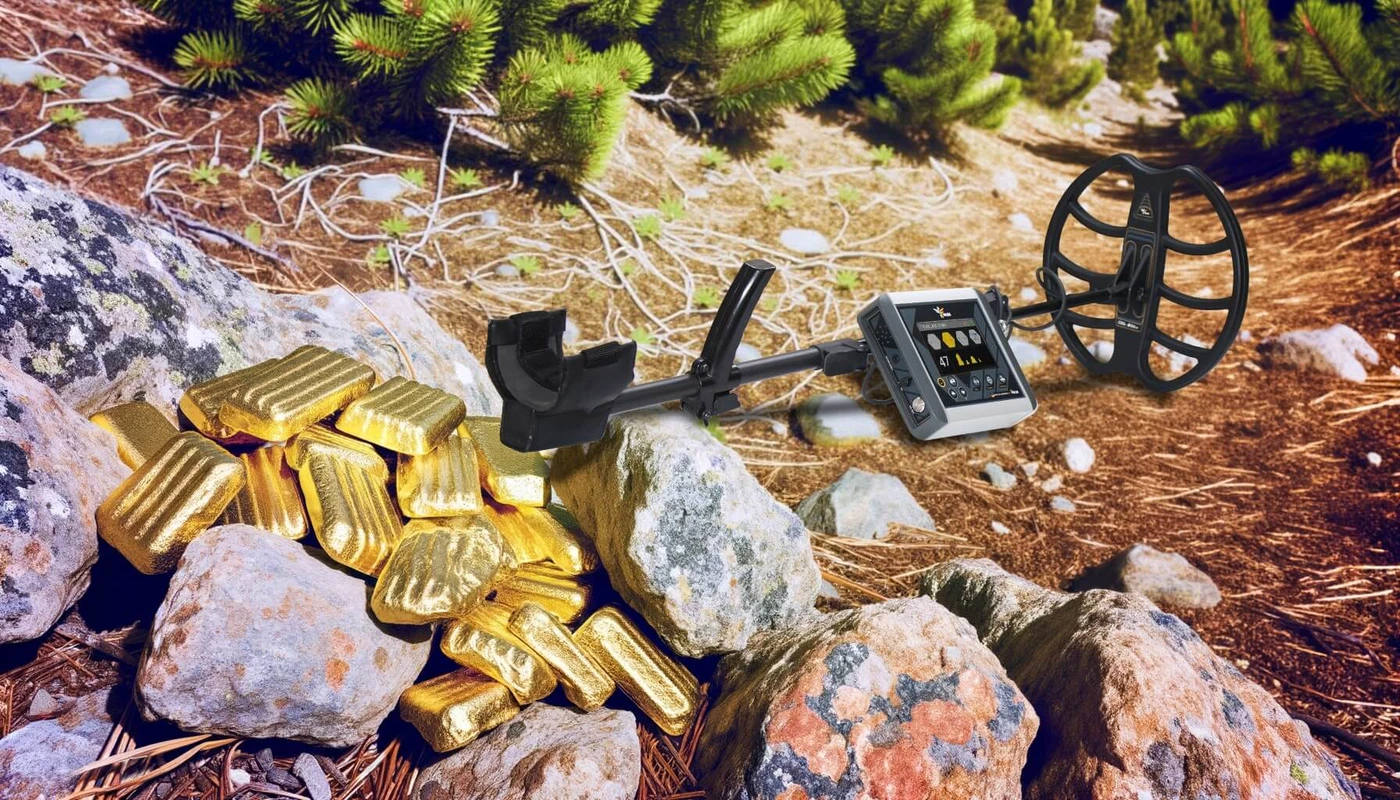
Metal and gold detectors are essential tools for hobbyists, professional treasure hunters, and prospectors who seek to uncover valuable finds in a wide variety of terrains. While these devices are designed to be durable and long-lasting, their performance and lifespan depend heavily on proper maintenance and care. Without regular upkeep, even the most advanced detector can lose its sensitivity, accuracy, and overall efficiency over time.
This guide will walk you through the best practices for maintaining and caring for your metal and gold detectors. Additionally, we will answer some of the most frequently asked questions (FAQs) to help you keep your equipment in top condition.
Importance of Proper Maintenance for Metal and Gold Detectors
Regular care and maintenance offer several significant benefits for detector owners:
- Enhanced Performance: A well-maintained detector delivers consistent sensitivity and accurate target detection.
- Prolonged Lifespan: Routine cleaning and proper storage reduce wear and tear, extending the life of the machine.
- Reduced Repair Costs: Preventative maintenance helps avoid expensive repairs or replacements.
- Better Reliability: A clean, calibrated detector is more dependable in challenging field conditions.
- Higher Resale Value: Well-kept detectors retain their market value for longer, which is advantageous if you decide to upgrade.
Step-by-Step Guide to Maintaining Your Metal and Gold Detectors
Proper maintenance involves both regular cleaning and mindful usage. Follow these steps to ensure your detector remains in excellent working order:
1. Clean the Search Coil Regularly
- After every use, wipe the search coil with a soft, damp cloth to remove dust, sand, or mud.
- Avoid using harsh chemicals that can damage the coil’s protective coating.
- For stubborn dirt, use mild soap and water, but never immerse the coil unless it is specifically waterproof. With the best metal and gold detectors, you can detect not only gold but also other interesting treasures.
2. Protect the Control Box
- Keep the control box dry at all times, even if your detector is partially waterproof.
- Use a protective cover or bag to shield it from rain, moisture, and dust.
- Avoid exposing the control box to extreme heat or direct sunlight for long periods.
3. Inspect the Shaft and Cables
- Check the detector’s shaft for cracks or loose connections after each trip.
- Make sure the cables are properly connected and not fraying or pinched.
- Secure any exposed wires with protective wraps to prevent damage during transportation.
4. Monitor Battery Health
- Remove batteries when the detector is not in use for long periods to avoid leakage.
- Rechargeable batteries should be fully charged before heading out for fieldwork.
- Replace worn-out batteries promptly to maintain consistent performance.
5. Ground Balance and Calibration
- Regularly calibrate your detector to suit different terrains and mineralized soils.
- Some detectors offer automatic ground balancing, while others require manual adjustments.
- Proper calibration ensures accurate readings and reduces false signals.
6. Use Coil Covers
- Invest in a good-quality coil cover to protect the search coil from scratches and abrasions.
- Replace the cover if it becomes damaged or overly worn out.
7. Storage Practices
- Store your detector in a cool, dry place to prevent corrosion and moisture damage.
- Keep it in a padded case during transportation to avoid impact-related damage.
- Do not store the device near magnetic or electronic equipment that may interfere with its circuitry.
8. Handle with Care During Field Use
- Avoid dropping the detector or banging it against rocks and other hard surfaces.
- Maintain a consistent swing height to prevent accidental ground contact that could harm the coil.
- Be gentle when adjusting the shaft length or tightening screws to avoid stripping threads.
FAQs: Maintaining and Caring for Your Metal and Gold Detectors
Here are some of the most commonly asked questions about the upkeep of metal and gold detectors:
1. How often should I clean my detector?
You should clean your detector after every use, especially if you have been working in sandy, muddy, or wet environments. Routine cleaning prevents the buildup of dirt that can affect sensitivity and accuracy.
2. Can I submerge my detector in water for cleaning?
Only waterproof detectors or specific waterproof components like certain search coils can be submerged in water. The control box should never be submerged unless specified by the manufacturer. Always consult your device’s manual before cleaning.
3. What type of cleaning solutions should I use?
Use mild soap and water for the search coil and shaft. Avoid abrasive cleaners, alcohol, or solvents as these can damage protective coatings and sensitive components.
4. How do I protect my detector when working in the rain?
If your detector is not fully waterproof, use a rain cover or waterproof bag to protect the control box and battery compartment. Always dry your detector thoroughly after exposure to rain or moisture.
5. Why is ground balancing important for maintenance?
Ground balancing is not just about improving accuracy; it also reduces strain on the machine’s sensors and circuits, helping maintain its performance over time.
6. How often should I replace my search coil?
Search coils generally last for years if well-maintained. However, replace them if you notice cracks, significant wear on the protective cover, or a decline in detection performance.
7. What should I do if my detector starts giving false signals?
False signals can be caused by incorrect ground balancing, loose cables, or damaged coils. Check all connections, recalibrate the detector, and inspect for physical damage before seeking professional repair.
8. Is it safe to store my detector in a car trunk?
Avoid long-term storage in car trunks, especially in extreme heat or cold, as this can damage batteries and electronic components. Always store your detector in a temperature-controlled environment.
9. Do I need to service my detector professionally?
Professional servicing is recommended if your detector shows signs of malfunction, persistent signal issues, or physical damage. Regular user maintenance often reduces the need for frequent servicing.
10. How can I keep my detector’s battery life healthy?
Use high-quality batteries and avoid completely draining rechargeable batteries. Always store batteries separately when the detector is not in use for extended periods.
Pro Tips for Extending the Life of Your Detector
- Use headphones to reduce power consumption from built-in speakers.
- Keep firmware and software updated if your detector has upgrade options.
- Avoid prolonged exposure to saltwater environments without proper cleaning afterward.
- Always follow the manufacturer’s guidelines for specific care instructions.
Conclusion
Proper maintenance and care are essential to keeping your metal and gold detectors functioning at their best. Regular cleaning, careful handling, and correct storage practices not only extend the lifespan of your detector but also ensure that it operates with maximum sensitivity and accuracy during every prospecting trip.
By following the tips and addressing the FAQs in this guide, you can protect your investment and enjoy many successful treasure-hunting adventures for years to come.

