


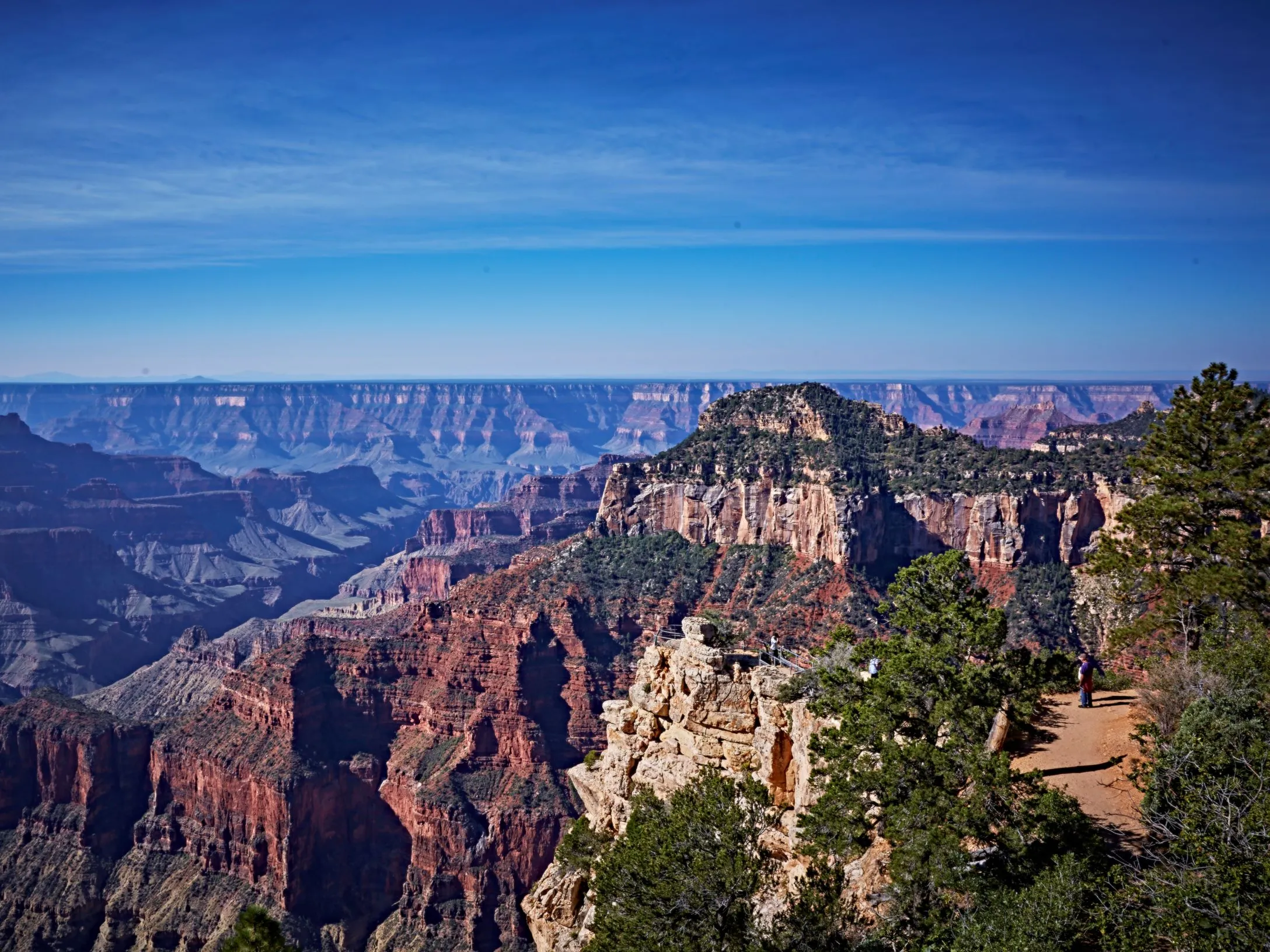
Acadia National Park, located on Maine’s picturesque Mount Desert Island, is one of the Northeast’s most stunning destinations. For campers who love a budget-friendly, off-grid experience, boondocking—camping without hookups or designated sites—is a fantastic way to explore this incredible area. If you’re new to boondocking near Acadia, follow these step-by-step instructions to plan a safe and memorable adventure.
Step 1: Research and Choose Your Boondocking Location
Start by identifying public lands near Acadia where dispersed camping is allowed. Some popular areas include:
- Schoodic Peninsula — Offers coastal forest camping with less crowd.
- Downeast Lakes Wilderness Area — Ideal for remote, primitive camping.
- Public lands near Bar Harbor — Convenient for quick access to the park.
- Green Mountain Public Lands — Great for forested, peaceful sites.
Use online resources such as the Bureau of Land Management (BLM) website, local National Forest offices, or camping apps like Campendium and FreeCampsites.net to find exact spots and read recent reviews.
Step 2: Check Rules and Regulations
Before you go, verify the local rules:
- Confirm that boondocking is permitted in your chosen area.
- Understand stay limits (often 14 days max per site).
- Learn about fire restrictions and waste disposal guidelines.
- Check for any seasonal closures or road conditions that may affect access.
Contact local ranger stations or visitor centers for the most accurate, up-to-date information.
Step 3: Prepare Your Gear and Supplies
Since boondocking means no hookups or facilities, packing smart is crucial:
- Bring plenty of water (for drinking, cooking, and cleaning).
- Pack all camping gear: tent or RV essentials, cooking equipment, and warm clothing.
- Include a portable power source or solar charger for devices.
- Carry a first aid kit, insect repellent, and flashlight.
- Pack trash bags and toilet supplies to follow Leave No Trace principles. The site offers comprehensive info on Acadia National Park Boondocking Locations perfect for budget travelers.
Step 4: Plan Your Route and Navigation
Many boondocking sites are located on dirt roads or less-marked trails:
- Download offline GPS maps or use apps that work without cell service.
- Mark your campsite coordinates beforehand.
- Make sure your vehicle is suitable for dirt roads or rough terrain.
- Inform a trusted person of your itinerary and expected return time.
Step 5: Arrive Early and Set Up Camp Thoughtfully
Arriving before dark is important for finding the best spot and setting up safely:
- Choose a flat, durable surface to minimize environmental impact.
- Camp at least 200 feet from water sources and trails.
- Keep noise levels low to respect wildlife and fellow campers.
- Set up your campfire (if allowed) in a safe, controlled area.
Step 6: Enjoy and Explore Responsibly
Take advantage of your location by hiking, wildlife watching, or stargazing:
- Follow marked trails in Acadia National Park to protect fragile ecosystems.
- Keep food secured to avoid attracting animals.
- Respect all wildlife and maintain a safe distance.
- Pack out all trash and leave your campsite cleaner than you found it.
Step 7: Pack Up and Depart Cleanly
When your trip ends:
- Completely dismantle your campsite.
- Remove all trash and food scraps.
- Scatter natural materials like pine needles to restore the site if needed.
- Ensure you leave no trace of your stay.
Boondocking near Acadia National Park is a rewarding way to experience Maine’s natural beauty on a budget while embracing the adventure of off-grid camping. By following these steps—from researching locations and preparing gear to responsible camping and clean departure—you’ll have a safe, enjoyable, and environmentally friendly trip.

