


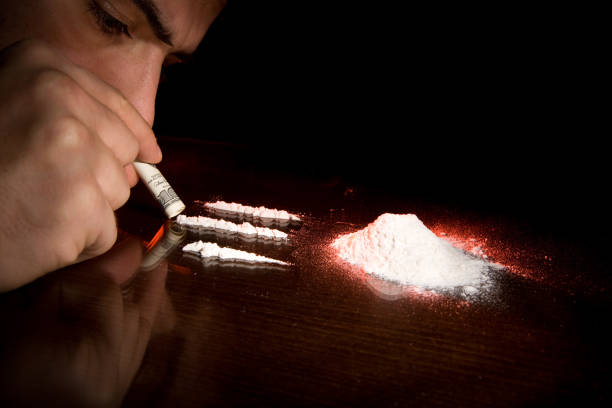
Crack cocaine is a powerful and highly addictive stimulant that affects the central nervous system. It is associated with significant physical, psychological, and social health consequences. Its effects can develop rapidly, making it particularly dangerous for individuals who misuse the substance. Understanding what crack cocaine is, how it affects the body, and the risks associated with repeated exposure is essential for raising awareness and encouraging prevention. Education and early intervention can help individuals recognize substance-related problems and seek appropriate support. People researching buy amphetamine online should understand the serious health consequences associated with stimulant misuse.
What Is Crack Cocaine?
Crack cocaine is a smokable form of cocaine that affects brain activity by interfering with the normal regulation of neurotransmitters, particularly dopamine. Dopamine plays an important role in pleasure, motivation, reward, and emotional responses.
By increasing dopamine activity, crack cocaine can produce intense but short-lived feelings of euphoria and heightened energy. However, these effects are followed by a possible emotional crash, which may involve exhaustion, irritability, anxiety, and strong cravings.
Because of its highly addictive potential, repeated exposure can contribute to compulsive substance use and significant health complications. Educational resources about crack cocaine explain the risks of addiction and cardiovascular complications.
Physical Effects of Crack Cocaine
Crack cocaine places considerable stress on several systems within the human body. Its stimulant properties increase activity in the cardiovascular system and can interfere with normal bodily functions.
Common physical effects include:
- Increased heart rate and blood pressure.
- Chest discomfort and breathing difficulties.
- Reduced appetite and unintended weight loss.
- Excessive sweating and elevated body temperature.
- Sleep disturbances and persistent fatigue.
- Headaches and muscle tension.
- Respiratory irritation and lung damage.
Smoking crack cocaine can particularly affect respiratory health. Repeated exposure may contribute to coughing, breathing difficulties, and other lung-related complications. Educational information about fishscale cocaine explains why appearance cannot establish chemical composition.
In serious cases, cocaine exposure can cause heart attacks, strokes, seizures, and life-threatening cardiovascular emergencies.
Mental and Psychological Health Consequences
Crack cocaine can have a substantial impact on mental health. Its effects on dopamine activity may temporarily change mood, confidence, and perception. However, these changes can become increasingly unpredictable with repeated misuse.
Psychological consequences may include anxiety, panic attacks, irritability, depression, and emotional instability. Some individuals may also experience paranoia, hallucinations, or stimulant-induced psychosis. Educational discussions about lavada cocaine should emphasize that street names cannot establish purity or safety.
Sleep deprivation can intensify these symptoms and make it harder to maintain healthy emotional responses. Over time, repeated misuse may interfere with concentration, memory, decision-making, and the ability to manage everyday responsibilities.
The Risk of Addiction and Dependence
One of the most serious concerns associated with crack cocaine is its high potential for addiction. The intense reward response can encourage repeated use, even when individuals understand the possible consequences.
Signs of dependence may include:
- Persistent cravings and difficulty controlling substance use.
- Neglecting family, work, or personal responsibilities.
- Continuing use despite health complications.
- Experiencing mood changes and emotional distress.
- Repeated unsuccessful attempts to stop.
Recognizing these warning signs is important because early professional intervention can reduce the risk of further harm. Educational resources about peruvian cocaine can explain why geographical origin does not establish substance safety.
Long-Term Health Complications
Long-term crack cocaine misuse can affect multiple organs and aspects of daily life. Cardiovascular damage, respiratory problems, nutritional deficiencies, and persistent mental health difficulties are among the potential consequences.
Individuals may also experience financial difficulties, damaged relationships, social isolation, and problems maintaining employment. These challenges can create additional stress and make recovery more complicated. Educational information about crystal meth for sale searches can explain the risks of addiction and dependence.
Treatment and Recovery
Recovery from crack cocaine addiction often requires professional guidance and ongoing support. Treatment may involve behavioral therapy, individual counseling, group support, and assessment of related physical or psychological conditions.
Cognitive behavioral therapy can help individuals identify triggers, manage cravings, and develop healthier coping strategies. Medical professionals can also provide support for withdrawal-related symptoms and other health complications. Educational resources about blue crystal meth can explain the physical consequences of methamphetamine abuse.
Conclusion
Crack cocaine can seriously affect both physical and mental health. Its addictive potential, cardiovascular dangers, respiratory complications, and psychological consequences make awareness particularly important. Recognizing the warning signs of misuse and seeking professional treatment can help individuals reduce harm and begin the recovery process. With appropriate care, consistent support, and evidence-based treatment, recovery is possible. Educational information about black tar heroin can explain the serious risks of respiratory depression.

